
Postpartum Depression
- Home
- Postpartum Depression
Becoming a mother is a beautiful and life-changing experience, but it also brings many physical, emotional, and hormonal changes. It is normal to feel tired, emotional, or overwhelmed during the first few days after childbirth. However, when sadness, anxiety, hopelessness, or difficulty bonding with the baby continues for weeks and starts affecting daily life, it may be a sign that professional Postpartum Depression Treatment in Bhopal is needed.
Postpartum depression is a treatable mental health condition that can develop after childbirth. It is different from the short-term “baby blues” that many mothers experience. Without proper support, postpartum depression can affect a mother’s emotional well-being, confidence, relationships, and ability to care for herself and her baby. The good news is that early diagnosis and treatment can help mothers recover and enjoy motherhood with greater confidence.
Dr. Rashmi Moghe Hirve, an experienced Psychiatrist and Counsellor in Bhopal with more than 18 years of experience in mental health care, provides compassionate and personalized support for mothers experiencing postpartum depression, anxiety, stress, and other emotional concerns. Through psychiatric assessment, counselling, psychotherapy, and individualized treatment plans, She helps mothers and families navigate this challenging phase with care and understanding.
What Is Postpartum Depression and How Is It Different from Baby Blues?
Many women experience emotional changes after giving birth. Feeling emotional, crying easily, or feeling overwhelmed for a few days is common and is often called the “baby blues.” These symptoms usually begin within a few days after delivery and improve on their own within one to two weeks.
Postpartum depression is different. It is a more serious mental health condition that lasts longer, causes more intense symptoms, and often requires professional support. Unlike baby blues, postpartum depression can make it difficult for a mother to care for herself, bond with her baby, or enjoy everyday life.
Baby Blues
Baby blues are common after childbirth and usually include:
- Mood swings
- Frequent crying
- Feeling tired
- Mild anxiety
- Irritability
- Emotional sensitivity
These symptoms are temporary and generally improve without medical treatment.
Postpartum Depression
Postpartum depression involves more persistent emotional and physical symptoms, such as:
- Ongoing sadness
- Loss of interest in daily activities
- Difficulty bonding with the baby
- Constant worry or anxiety
- Feelings of guilt or hopelessness
- Difficulty sleeping, even when the baby sleeps
If symptoms continue beyond two weeks or become more severe, professional Depression Treatment After Childbirth in Bhopal is recommended. A proper evaluation helps identify the condition early and ensures that mothers receive the right support at the right time.
What Are the Signs That You May Need Postpartum Depression Treatment in Bhopal?
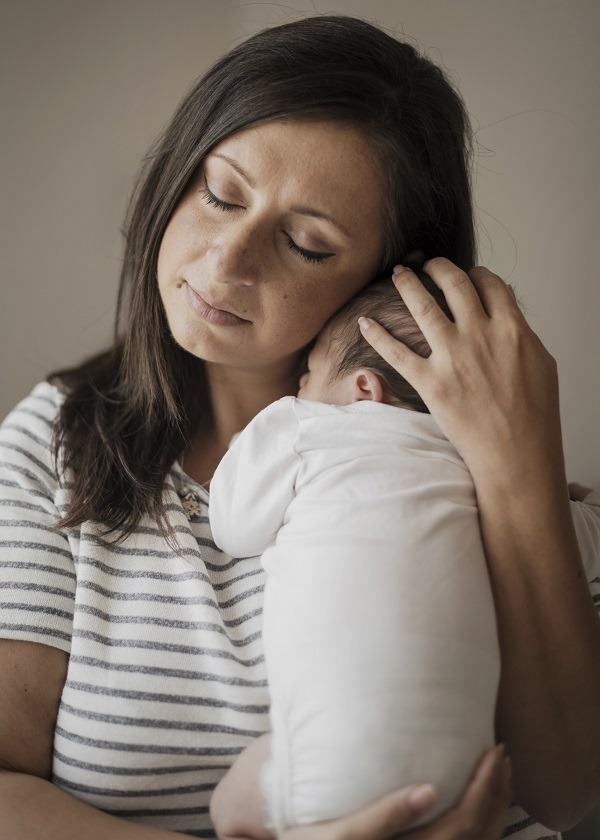
Every mother’s experience is different, but postpartum depression often affects emotions, thoughts, physical health, and daily activities. Some symptoms develop gradually, while others may appear suddenly after childbirth.
You should consider seeking Postpartum Depression Treatment in Bhopal if you experience:
- Persistent sadness or low mood
- Frequent crying without a clear reason
- Feeling overwhelmed by daily responsibilities
- Excessive anxiety or constant worry
- Irritability or frustration
- Difficulty bonding with your baby
- Trouble sleeping or sleeping too much
- Changes in appetite
- Loss of interest in activities you previously enjoyed
- Difficulty concentrating or making decisions
- Feeling guilty, helpless, or worthless
- Low energy or constant fatigue
These symptoms may interfere with caring for yourself or your baby and can affect your emotional well-being. Seeking help early can make recovery easier and improve your overall quality of life. Dr. Rashmi Moghe Hirve provides compassionate care in a safe and confidential environment, helping mothers understand their emotions and develop healthy coping strategies.
Why Does Postpartum Depression Happen After Childbirth?
Postpartum depression does not occur because someone is a “bad mother” or is not trying hard enough. It is a medical condition influenced by several physical, emotional, and environmental factors. Understanding these causes is an important part of Maternal Mental Health Care in Bhopal.
Hormonal Changes
After childbirth, hormone levels such as estrogen and progesterone drop rapidly. These sudden changes can affect mood and emotional balance in some women.
Lack of Sleep
New mothers often experience interrupted sleep due to feeding and caring for their baby. Ongoing sleep deprivation can increase stress and make it harder to cope with emotions.
Physical Recovery
Recovering from pregnancy and childbirth takes time. Pain, fatigue, and physical discomfort can contribute to emotional stress.
Emotional Stress
Adjusting to motherhood, learning new responsibilities, and balancing family expectations can sometimes feel overwhelming.
Start Your Mental Wellness Journey Today – Call 917553138825
What Happens During Postpartum Depression Treatment in Bhopal?
Every mother’s experience is unique. Therefore, Postpartum Depression Treatment in Bhopal is personalized according to the severity of symptoms, emotional needs, and overall health.
Psychiatric Consultation
A detailed consultation helps understand the emotional and psychological challenges you are facing after childbirth.
Counselling and Psychotherapy
Talking to a mental health professional can help you understand your feelings, reduce emotional distress, and develop healthier coping skills.
Medication (When Required)
If symptoms are moderate to severe, medication may be recommended after carefully considering the mother’s health, breastfeeding status, and individual needs.
Lifestyle and Stress Management
Healthy sleep habits, balanced nutrition, relaxation techniques, and emotional self-care are important parts of recovery.
Family Involvement
Family support plays a valuable role in helping mothers recover. Loved ones may be guided on how to provide practical and emotional support.
When Should You Consult a Psychiatrist for Postpartum Depression in Bhopal?
Many mothers experience emotional ups and downs after childbirth. However, professional help should be sought when symptoms become severe or continue for more than two weeks.
You should consult a Psychiatrist for Postpartum Depression in Bhopal if you experience:
- Persistent sadness or hopelessness
- Severe anxiety or panic attacks
- Difficulty caring for yourself or your baby
- Loss of interest in daily activities
- Feeling emotionally disconnected from the baby
- Extreme guilt or worthlessness
- Difficulty sleeping despite exhaustion
- Thoughts of self-harm
- Thoughts of harming the baby
- Confusion, hallucinations, or unusual behavior
If a mother has thoughts of harming herself or her baby, experiences hallucinations, severe confusion, or loses touch with reality, immediate emergency medical care is essential. These symptoms require urgent evaluation and should never be ignored.
Who Is More Likely to Develop Postpartum Depression?
Postpartum depression can affect any new mother, regardless of age or background. However, certain factors may increase the risk of developing this condition.
Some common risk factors include:
- Personal history of depression or anxiety
- Family history of mental health disorders
- Pregnancy or delivery complications
- Premature birth or a baby requiring special medical care
- Multiple births, such as twins or triplets
- Limited support from family or friends
- Financial or relationship stress
- Thyroid disorders or other medical conditions
- Major life changes occurring during or after pregnancy
Having one or more of these risk factors does not mean a mother will definitely develop postpartum depression. However, recognizing these risks can encourage early assessment and timely care.
Consulting a qualified Mental Health Specialist in Bhopal can help identify emotional concerns before they become more serious. Dr. Rashmi Moghe Hirve carefully evaluates each mother’s symptoms, emotional health, medical history, and family support system to create a personalized treatment plan that promotes long-term emotional well-being for both the mother and her family.
What Can Families Do to Support a Mother with Postpartum Depression?
Family support can make a significant difference in recovery. A caring and understanding environment helps mothers feel emotionally safe and less overwhelmed.
Family members can help by:
- Listening without criticism or judgment
- Helping with baby care and household responsibilities
- Encouraging the mother to rest
- Attending medical appointments if needed
- Offering emotional reassurance
- Watching for worsening symptoms
- Encouraging professional treatment
- Being patient throughout recovery
Good Maternal Mental Health Care in Bhopal involves not only treating the mother but also educating family members about how they can provide meaningful support during this important phase.
How Does Dr. Rashmi Moghe Hirve Diagnose Depression?
Accurate diagnosis is essential for successful treatment.
Dr. Rashmi Moghe Hirve conducts a comprehensive evaluation that includes:
- Detailed discussion of symptoms
- Medical history review
- Family history assessment
- Lifestyle evaluation
- Emotional health assessment
As a highly experienced Mental Health Specialist in Bhopal, she takes time to understand the emotional, social, and psychological factors affecting each patient. This personalized approach ensures effective and individualized Depression Treatment in Bhopal.
faqs
Frequently Asked Questions
Postpartum Depression Treatment in Bhopal includes psychiatric evaluation, counselling, psychotherapy, lifestyle guidance, and medication when clinically appropriate. Treatment is personalized to help mothers manage emotional symptoms, improve daily functioning, strengthen bonding with their baby, and support long-term mental well-being.
Baby blues are temporary mood changes that usually improve within one to two weeks after childbirth. Postpartum depression is more severe and lasts longer, causing persistent sadness, anxiety, hopelessness, and difficulty caring for the baby. Professional evaluation helps identify the right treatment.
You should consult a Psychiatrist for Postpartum Depression in Bhopal if symptoms last more than two weeks, interfere with caring for yourself or your baby, or include severe anxiety, panic attacks, hopelessness, or emotional distress. Early treatment can improve recovery and overall well-being.
Yes. Many mothers benefit from Postpartum Depression Counselling in Bhopal, especially when symptoms are mild to moderate. Counselling helps manage negative thoughts, reduce stress, improve confidence, strengthen coping skills, and provide emotional support. Medication is recommended only when clinically appropriate.
The duration of Post Pregnancy Depression Treatment in Bhopal varies depending on symptom severity, emotional health, and individual response to treatment. Some mothers improve within a few months, while others may benefit from longer-term counselling, regular follow-up, and ongoing family support.
Yes. Emotional support from family members can make a significant difference during recovery. Helping with baby care, encouraging rest, sharing household responsibilities, attending appointments, and offering understanding can complement professional treatment and improve a mother's emotional well-being.
Dr. Rashmi Moghe Hirve has over 18 years of experience in mental health care and provides compassionate Postpartum Depression Treatment in Bhopal through psychiatric assessment, counselling, psychotherapy, and personalized treatment plans. She focuses on supporting mothers and families with confidential, evidence-based, and patient-centered care.