
June 2026

Uncategorized

Screen Time and Child Mental Health: What Parents Need to Know

Children today are growing up in a digital world where smartphones, tablets, televisions, computers, and gaming devices are part of everyday life. While technology offers many benefits, excessive screen exposure can affect a child’s emotional, social, and psychological development. As a Child Psychiatrist in Bhopal, Dr. Rashmi Moghe Hirve often meets parents who are concerned about changes in their child’s behavior, attention span, sleep patterns, and emotional well-being due to increasing screen use. Understanding the connection between screen time and mental health is essential because healthy digital habits developed during childhood can influence a child’s overall well-being for years to come. Technology itself is not the problem. However, when screen use becomes excessive or replaces important activities such as sleep, physical play, family interaction, and learning, it can impact a child’s emotional health. This blog will help parents understand how screen time affects children, recognize warning signs of digital dependency, and learn practical strategies to create a healthier balance. What Is Screen Time and Child Mental Health? Screen time refers to the amount of time a child spends using electronic devices such as smartphones, tablets, televisions, computers, laptops, gaming consoles, and other digital screens. Today, children use screens for education, entertainment, communication, and social interaction. Child mental health refers to a child’s emotional, behavioral, social, and psychological well-being. It influences how children think, learn, communicate, manage emotions, and interact with others. The relationship between screens and mental health is complex. Moderate and supervised screen use can provide educational benefits. However, excessive screen exposure may affect emotional regulation, attention, sleep quality, social development, and overall well-being. Parents should pay attention not only to the amount of screen time but also to the type of content children consume and how it affects their behavior. Monitoring screen habits is an important step in protecting Child Mental Health in Bhopal and supporting healthy development. Why Is Screen Time and Child Mental Health Becoming a Growing Concern? Over the past decade, children’s screen exposure has increased significantly. Several factors have contributed to this change. Increased Smartphone Usage Many children now have access to smartphones at an early age. These devices provide instant entertainment, social media access, and gaming opportunities. Online Education Virtual learning has become common, increasing the number of hours children spend looking at screens. Gaming Culture Online games are designed to keep users engaged for extended periods, which can contribute to Screen Addiction in Children. Social Media Influence Teenagers often spend considerable time on social media platforms. While these platforms can encourage connection, they may also increase anxiety, comparison, and emotional stress. Digital Dependency Many children rely on screens for relaxation, entertainment, and social interaction. This dependency may reduce participation in outdoor activities and face-to-face communication. Because of these changes, awareness about Child Mental Health in Bhopal is becoming increasingly important for families. How Much Screen Time Is Safe for Children? There is no single rule that applies to every child. However, health experts provide general guidelines based on age. Toddlers (Under 2 Years) Children under two years should have very limited screen exposure, except for supervised video communication with family members. Preschool Children (2–5 Years) Screen time should generally be limited to about one hour per day of high-quality educational content. School-Age Children (6–12 Years) Parents should establish consistent limits while ensuring screen use does not interfere with sleep, homework, physical activity, or family interactions. Teenagers Teenagers require guidance rather than strict restrictions. Healthy digital habits, balanced schedules, and open communication are essential. The goal is not to eliminate technology but to maintain a healthy balance between screen-based activities and real-life experiences. What Are the Signs That Screen Time Is Affecting Child Mental Health? Excessive screen use can affect children in different ways. Parents should observe changes in behavior, emotions, and daily routines. Common warning signs include: Irritability when devices are removed Frequent mood swings Increased anger or frustration Difficulty concentrating Reduced interest in offline activities Sleep disturbances Social withdrawal Anxiety when unable to access devices Excessive focus on gaming or social media Declining academic performance These signs may indicate that screen use is beginning to affect emotional well-being and may require professional attention. A qualified Child Psychiatrist in Bhopal can help assess whether screen-related behaviors are affecting mental health. Can Excessive Screen Time Cause Behavioral Problems in Children? Yes, excessive screen use may contribute to various Behavioral Problems in Children, particularly when it interferes with healthy routines and development. Attention Difficulties Fast-paced digital content may reduce a child’s ability to focus on slower-paced activities such as reading and classroom learning. Aggressive Behavior Exposure to violent games or inappropriate content may influence emotional responses and behavior. Reduced Patience Instant digital rewards can make children less tolerant of waiting and frustration. Emotional Regulation Challenges Children may struggle to manage disappointment, boredom, or stress without access to screens. Family Relationship Issues Conflicts over device use can create tension between parents and children. Addressing these concerns early can prevent long-term difficulties and support healthier emotional development. How Does Screen Addiction in Children Affect Brain Development? The developing brain is highly sensitive to experiences during childhood. Excessive digital stimulation may affect several areas of development. Learning Abilities Constant screen exposure may reduce engagement in activities that build critical thinking and problem-solving skills. Memory Multitasking between multiple digital activities can affect information retention. Focus and Attention Frequent switching between apps and content may make sustained concentration more difficult. Emotional Control Excessive screen use may limit opportunities for children to practice managing emotions in real-life situations. Social Skills Children learn communication skills through face-to-face interaction. Excessive screen time may reduce these opportunities. Understanding the impact of Screen Addiction in Children helps parents make informed decisions about technology use. What Is the Connection Between Screen Time and Child Mental Health in Bhopal? The relationship between screens and Child Mental Health in Bhopal is becoming increasingly relevant as technology becomes more integrated into daily life. Urban Lifestyle Changes Many families live busy schedules, making screens a convenient source of entertainment and engagement.

Uncategorized

Social Anxiety Disorder Treatment in Bhopal: Causes, Symptoms, and Effective Treatment

Have you ever avoided speaking in a meeting because you were afraid people would judge you? Do you feel nervous before attending family gatherings, answering phone calls, meeting new people, or speaking in front of a group? While occasional nervousness is normal, persistent fear of social situations may indicate a condition known as Social Anxiety Disorder. Seeking professional Social Anxiety Disorder Treatment in Bhopal can help individuals overcome these fears and regain confidence in their daily lives. Social Anxiety Disorder is much more than simple shyness. It is a mental health condition that causes intense fear of being watched, criticized, embarrassed, or negatively evaluated by others. This fear can affect work performance, academic success, relationships, and overall emotional well-being. Many people silently struggle with social anxiety for years because they believe their fears are normal or unavoidable. Dr. Rashmi Moghe Hirve, an experienced Psychiatrist and Counsellor in Bhopal, has helped countless individuals overcome anxiety-related conditions through evidence-based treatment and compassionate care. With over 18 years of experience in mental health care, Dr. Rashmi Moghe Hirve provides personalized support for patients dealing with social anxiety, emotional distress, and confidence-related concerns. If social situations make you feel overwhelmed, professional Social Anxiety Disorder Treatment in Bhopal can help you move toward a more confident and fulfilling life. What Is Social Anxiety Disorder and Why Do So Many People in Bhopal Struggle With It? Social Anxiety Disorder is a common mental health condition characterized by an intense fear of social situations where a person feels they may be judged, embarrassed, or criticized. Unlike normal shyness, social anxiety does not simply disappear with time or familiarity. Instead, it can become a persistent challenge that affects everyday life. Many people with Social Anxiety Disorder in Bhopal worry excessively about what others think of them. They may avoid conversations, social gatherings, public speaking, or situations where attention might be focused on them. For example, a student may avoid answering questions in class despite knowing the correct answer. A professional may struggle during presentations or team meetings. These situations often create emotional distress and reduce self-confidence. Dr. Rashmi Moghe Hirve frequently works with patients who initially believed they were simply shy, only to discover that social anxiety was significantly affecting their quality of life. What Causes Social Anxiety Disorder in Bhopal Residents? Social anxiety usually develops because of multiple factors rather than a single cause. Can Genetics Increase the Risk of Social Anxiety Disorder in Bhopal? Research suggests that genetics can influence anxiety disorders. Individuals with family members who have anxiety-related conditions may be more likely to develop Social Anxiety Disorder in Bhopal. While genetics alone do not cause social anxiety, they can increase vulnerability to anxiety symptoms. Dr. Rashmi Moghe Hirve carefully evaluates family history during assessment to better understand each patient’s emotional health needs. Can Childhood Experiences Trigger Social Anxiety Symptoms? Childhood experiences often shape confidence and emotional development. Bullying, criticism, rejection, humiliation, or excessive pressure during childhood can contribute to social anxiety later in life. For example, a child who was repeatedly teased while speaking in class may develop a lasting fear of public speaking. Does Low Self-Confidence Lead to Social Anxiety Disorder in Bhopal? Low self-esteem and negative self-beliefs often play an important role. Individuals may constantly worry about making mistakes or appearing foolish in front of others. Over time, these fears can contribute to the development of Social Anxiety Disorder in Bhopal, making everyday interactions increasingly difficult. Can Stress and Trauma Contribute to Social Anxiety Symptoms? Stressful life events and emotional trauma can increase anxiety levels and contribute to social fears. Relationship difficulties, workplace pressure, emotional abuse, or significant life changes may worsen symptoms. Dr. Rashmi Moghe Hirve often helps patients identify these underlying factors and develop healthier coping strategies. What Are the Most Common Social Anxiety Symptoms You Should Never Ignore? Social anxiety affects both the mind and body. Common symptoms include: Fear of being judged Fear of embarrassment Excessive self-consciousness Sweating during social situations Trembling or shaking Rapid heartbeat Blushing Difficulty speaking Avoidance of social interactions Intense anxiety before events Many individuals recognize these symptoms but assume they are simply personality traits. However, persistent symptoms may indicate the need for Social Anxiety Disorder Treatment in Bhopal. Dr. Rashmi Moghe Hirve emphasizes that early recognition of symptoms can significantly improve treatment outcomes. Do You Feel Nervous While Speaking in Public or Meeting New People? Many people experience occasional nervousness before a presentation or interview. However, individuals with social anxiety often experience intense fear that goes beyond normal nervousness. You may: Rehearse conversations repeatedly Avoid introducing yourself Fear saying something embarrassing Worry excessively after social interactions Imagine attending a work meeting and spending the entire time worrying about being judged rather than focusing on the discussion. This is a common experience among people seeking Social Anxiety Disorder Treatment in Bhopal. Dr. Rashmi Moghe Hirve helps patients understand these patterns and gradually build confidence in social settings. Do You Avoid Social Gatherings Because of Social Anxiety Symptoms? Avoidance is one of the strongest signs of social anxiety. Many individuals avoid: Parties Family functions Weddings Office gatherings College events Community activities Initially, avoidance may provide temporary relief. However, over time it often strengthens anxiety and reduces confidence. Patients seeking Social Anxiety Counselling in Bhopal frequently describe feeling isolated because they have stopped participating in social activities they once enjoyed. Can Social Anxiety Disorder Affect Your Career and Education? Absolutely. Social anxiety can create challenges in both professional and academic environments. Common difficulties include: Fear of job interviews Avoiding presentations Difficulty participating in meetings Trouble asking questions Fear of networking opportunities Students may struggle with classroom participation, group projects, or oral presentations. Dr. Rashmi Moghe Hirve has worked with professionals and students who felt capable and talented but were held back by social anxiety symptoms. Seeking Mental Health Treatment in Bhopal can help individuals develop skills needed to perform confidently in educational and workplace settings. How Does Social Anxiety Disorder Affect Relationships and Family Life? Social anxiety often impacts relationships in ways that others may not

Uncategorized

10 Early Signs of Anxiety Disorder You Should Never Ignore

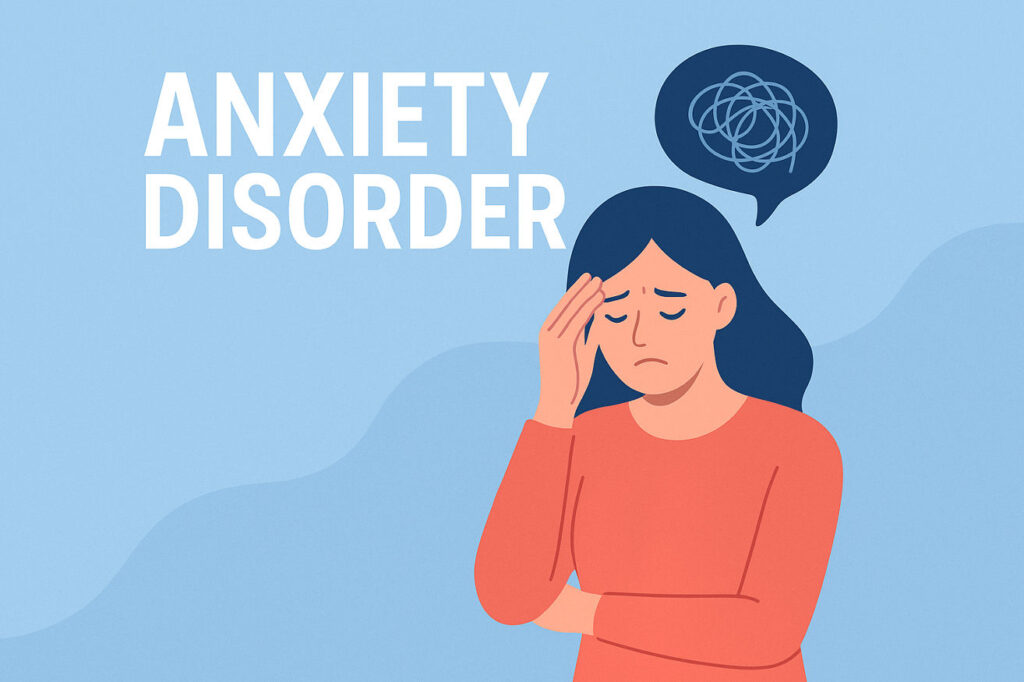
Most people experience stress and worry from time to time. You may feel anxious before an important meeting, an exam, a job interview, or a family event. However, when worry becomes constant, overwhelming, and starts affecting your daily life, it may be a sign of an anxiety disorder. Recognizing the early warning signs is important because timely Anxiety Disorders Treatment in Bhopal can prevent symptoms from becoming more severe and help you regain control of your mental well-being. Many individuals ignore anxiety symptoms because they assume they are simply “overthinking” or going through a stressful phase. Unfortunately, anxiety disorders often develop gradually. What starts as occasional worry may eventually affect sleep, concentration, relationships, work performance, physical health, and overall quality of life. If you often feel nervous, restless, emotionally exhausted, or unable to switch off your thoughts, this blog may help you understand what is happening. Dr. Rashmi Moghe Hirve, an experienced Psychiatrist and Counsellor with over 18 years of experience in mental health care, helps individuals identify and manage anxiety-related conditions through professional assessment, counselling, psychotherapy, and personalized treatment plans. If you are looking for expert Anxiety Disorders Treatment in Bhopal, understanding these early signs is the first step toward recovery. How Can You Tell If Stress Is Becoming an Anxiety Disorder? Stress is a normal part of life. Most people experience temporary stress due to work deadlines, family responsibilities, financial concerns, or personal challenges. Usually, stress reduces once the situation improves.An anxiety disorder is different. The worry does not go away even when there is no immediate problem. Instead, the mind remains constantly alert, expecting something bad to happen. You may notice that: You worry excessively about everyday situations. Relaxing feels difficult. Minor problems seem much bigger than they are. Physical symptoms appear without a clear reason. Anxiety starts interfering with daily life. When these symptoms persist for weeks or months, professional Anxiety Treatment in Bhopal may be beneficial. Do You Constantly Overthink Even Small Situations? One of the earliest signs of anxiety disorder is excessive overthinking. Have you ever sent a text message and then spent hours wondering if you said the wrong thing? Or perhaps you replay conversations repeatedly in your mind, analyzing every detail? People experiencing anxiety often: Imagine worst-case scenarios. Worry excessively about future events. Feel unable to stop negative thoughts. Seek constant reassurance. For example, a simple delay in receiving a phone call may lead someone to assume that something terrible has happened. Over time, this pattern becomes mentally exhausting. Consulting an Anxiety Specialist in Bhopal can help identify these thought patterns and develop healthier coping strategies. Are You Feeling Restless Even When Nothing Is Wrong? Do you often feel uneasy, restless, or on edge without knowing why? Many people with anxiety describe feeling as though their mind is constantly running. Even during moments that should feel peaceful, they struggle to relax. Common experiences include: Constant nervousness Difficulty sitting still Feeling tense throughout the day A sense that something bad might happen You may be watching television, spending time with family, or preparing for bed, yet your mind remains alert and unsettled. Professional Anxiety Disorders Treatment in Bhopal can help individuals understand why this happens and learn techniques to reduce mental restlessness. Do You Feel Tired Even After Getting Enough Sleep? Anxiety is not only emotionally draining it can also be physically exhausting. Many individuals wake up feeling tired despite sleeping for several hours. This happens because the brain remains active even during rest. Common signs include: Feeling exhausted throughout the day Lack of motivation Reduced productivity Difficulty completing routine tasks Imagine spending the entire day carrying an invisible emotional burden. Eventually, that constant mental effort can leave you feeling depleted. Seeking support from a Psychiatrist for Anxiety in Bhopal can help address the underlying causes of anxiety-related fatigue. Is Your Heart Racing Without Any Physical Reason? Anxiety often affects the body as much as the mind. Many people experience physical symptoms before they recognize emotional symptoms. These may include: Rapid heartbeat Heart palpitations Sweating Shaking Shortness of breath Chest discomfort For example, you might be sitting quietly at home when your heart suddenly starts racing. This can feel frightening and may even resemble a medical emergency. An experienced Anxiety Specialist in Bhopal can help determine whether these symptoms are related to anxiety and recommend appropriate treatment. Are You Struggling to Sleep Because Your Mind Never Stops? Sleep difficulties are among the most common early signs of anxiety. You may feel physically tired but mentally unable to switch off. Many people report: Difficulty falling asleep Frequent nighttime waking Racing thoughts at bedtime Worrying about tomorrow’s responsibilities For example, you may lie in bed thinking about work deadlines, financial concerns, family issues, or conversations from earlier in the day. When anxiety interferes with sleep regularly, professional Anxiety Treatment in Bhopal can provide effective strategies for improving both sleep and emotional health. Do You Avoid Places or Situations That Make You Uncomfortable? Avoidance behavior is another important warning sign. Initially, avoidance may seem helpful because it temporarily reduces anxiety. However, over time, it often makes symptoms worse. You might avoid: Social gatherings Public speaking Crowded places Meetings New experiences For example, someone who feels anxious in social situations may start declining invitations and isolating themselves. Anxiety counselling and therapy can help individuals gradually regain confidence and reduce avoidance behaviors. This is where Anxiety Counselling in Bhopal can be extremely beneficial. Are Small Problems Starting to Feel Overwhelming? When anxiety increases, even minor challenges can feel difficult to manage. A simple disagreement, a missed phone call, or a small mistake at work may trigger significant emotional distress. Signs include: Feeling easily overwhelmed Difficulty handling routine responsibilities Emotional sensitivity Increased stress reactions Tasks that once seemed manageable may suddenly feel exhausting. Professional Anxiety Disorders Treatment in Bhopal helps individuals strengthen emotional resilience and improve coping skills. Do You Find It Hard to Concentrate on Work or Studies? Many people with anxiety struggle with focus and concentration. When the mind is occupied by worry, there is less mental energy available for everyday

Scroll to Top